
Holders of older persons with disabilities identification cards must register under the Unified Persons with Disabilities Identification System so their records can be verified and moved into the standardized system. NCDA Executive Director Glenda Relova explained the requirement in remarks reported by the Philippine News Agency on 20 October. Having an existing card does not remove the registration step.
Cardholders should contact their local Persons with Disability Affairs Office, or PDAO, for the migration process and schedule.
Applications still go through local offices
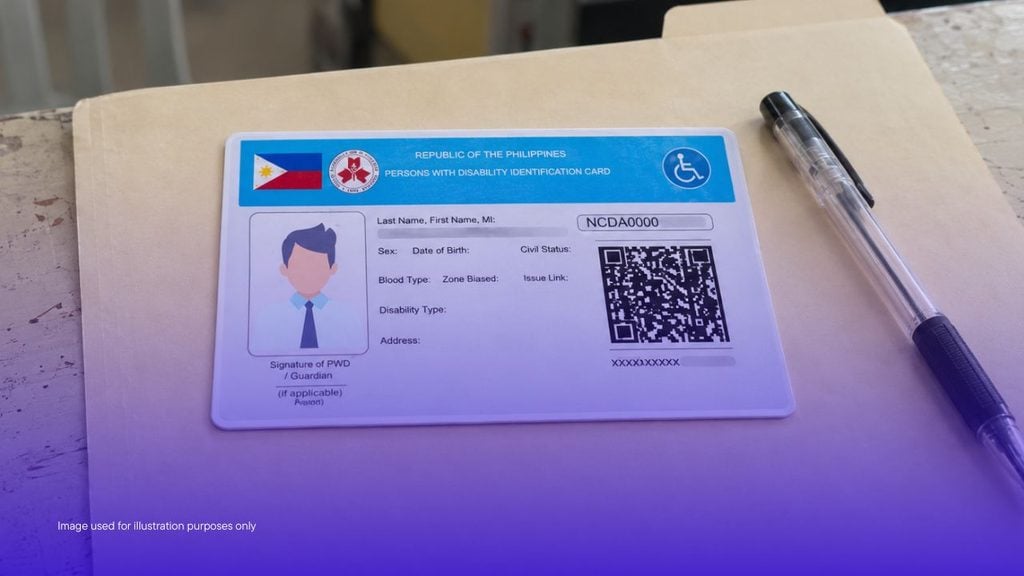
Local government units receive and approve applications, while records enter the centralized system, according to Relova’s explanation. The new credentials carry a QR code and a unique alphanumeric number for verification. The system aims to protect legitimate beneficiaries and reduce the misuse of PWD privileges.
It follows the earlier rollout covered in our report on the unified PWD ID pilot.
Registration does not mean instant cancellation
The NCDA’s 2026 administrative order provides a three-year transition period. It also requires accessible, non-discriminatory revalidation and says benefits must not be suspended or denied without due process. These provisions should not be turned into a claim that every old card became invalid on 4 November.
Ask the issuing office how your existing ID will be handled while your record is being transferred. Do not discard it because of a social media headline.
Check the medical documents for your case
Applicants whose disabilities are not immediately apparent should ask the PDAO which medical certification is required. NCDA’s earlier issuance rules required a disability certificate from an appropriate specialist or qualified physician for non-apparent disabilities. Use the current local checklist under the updated framework before paying for another medical appointment.
The 2026 order provides lifetime validity for permanent disabilities, subject to record updates or verification. It separately describes periodic revalidation for non-apparent disabilities. The local office should clarify how those provisions apply to your condition and record.
Confirm the local process before travelling
Ask whether migration has opened in your city or municipality, what documents to bring, and whether assisted registration is available. The framework provides for assistance to people unable to attend fixed registration centres. If your record is missing, our PWD record troubleshooting article explains why contacting the issuing office matters.
Confirm any charges through the official office rather than paying an online intermediary. For now, coordinate with your PDAO and follow its verified instructions for moving your record into the unified system.