
Becoming a Philippine Foreign Service Officer is one of the most competitive and respected career paths in public service. It means representing the country abroad, helping Filipinos overseas, and taking part in diplomacy that shapes national interests. The journey is demanding, but for those who prepare well, it is achievable.
What Does a Philippine Foreign Service Officer Do?
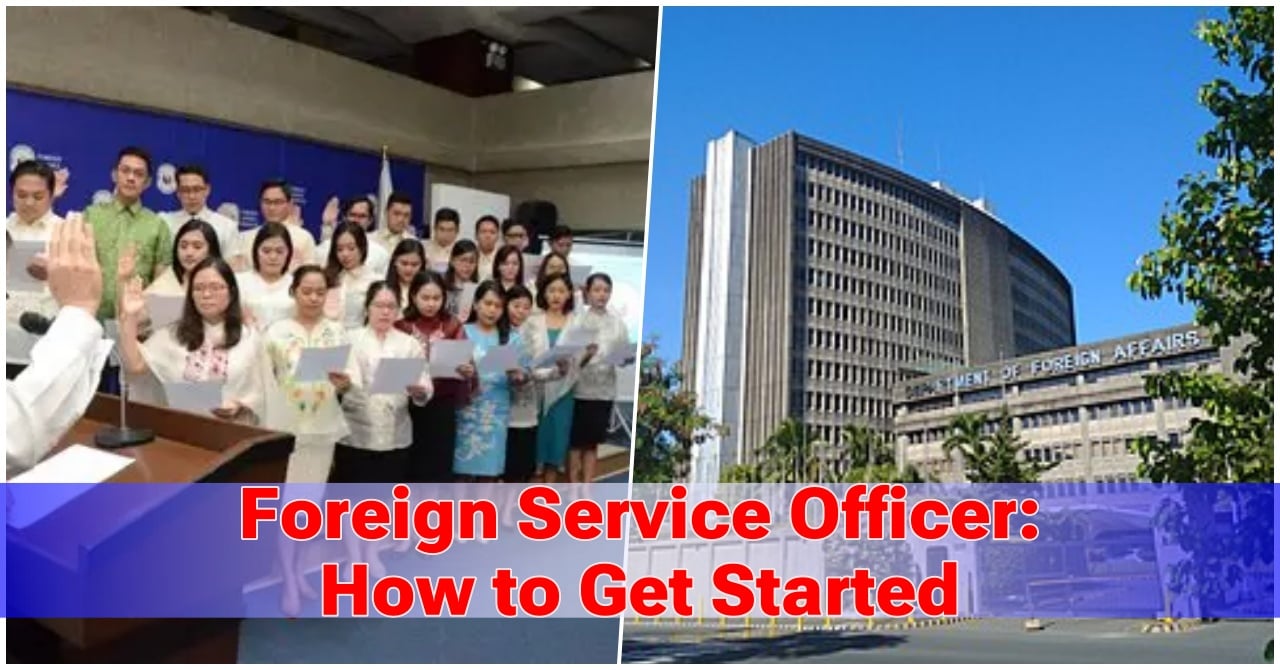
A Philippine Foreign Service Officer (FSO) represents the Philippines in embassies, consulates, and international organizations.
Common duties include:
- Assisting Filipinos abroad with passports, visas, and emergencies
- Reporting on political, economic, and social developments in host countries
- Promoting Philippine trade, tourism, and cultural relations
- Supporting international negotiations and multilateral meetings
Most new officers enter as Foreign Service Officer IV (FSO IV). At this level, you may serve as:
- Third Secretary at an embassy
- Vice Consul at a consulate
- Assistant Director at the home office
All FSOs are part of the Department of Foreign Affairs, and postings can be local or overseas.
Benefits of Working as a Philippine Foreign Service Officer
Working as a Philippine Foreign Service Officer offers rewards that go beyond a regular government job. These benefits are often what sustain officers through demanding exams and challenging postings.
Competitive compensation and allowances
FSOs receive a base government salary plus foreign service–related allowances when posted abroad. These may include cost-of-living, housing, and representation support, depending on the country of assignment.
Global career exposure
Few public service roles offer regular overseas work. FSOs gain first-hand experience with international governments, global institutions, and cross-cultural environments that build rare professional skills.
Clear career progression
The foreign service has a structured rank system. With strong performance and time in service, officers can move up to higher diplomatic ranks and leadership roles.
Meaningful public service impact
FSOs directly help Filipinos overseas during crises, legal issues, or emergencies. Many officers describe consular work as one of the most fulfilling parts of the job.
Professional development and training
Officers receive ongoing training in diplomacy, language, negotiations, and international affairs through programs supported by the Department of Foreign Affairs.
Prestige and long-term stability
The role carries national trust, international recognition, and the stability of a permanent government career, making it attractive for those seeking purpose and longevity in public service.
Step by Step: How to Become a Philippine Foreign Service Officer
- Check Eligibility and Announcements
The first step is to monitor official exam announcements from the DFA and the Board of Foreign Service Examinations. Application windows are strict. Late or incomplete submissions are automatically disqualified.
- Apply and Pay the Exam Fee
Follow the instructions in the official announcement carefully. This includes:
- Online or manual application
- Payment of exam fees
- Selection of testing centers
Always double-check requirements before submission.
- Pass the Qualifying Test
The Qualifying Test is the first major hurdle. It includes four parts:
- Verbal Ability
- Analytical Reasoning
- Numerical Ability
- Managerial Ability
You must score at least 80 percent to move forward. This stage alone removes a large number of applicants.
- Complete the Remaining Exam Stages
If you pass the Qualifying Test, you proceed to:
- Written examinations
- Psychological assessment
- Oral board interview
Each stage evaluates both knowledge and personal readiness for diplomatic work.
- Training and Posting
Successful candidates undergo training and orientation. Afterward, they may be assigned to:
- DFA headquarters in Manila
- Any Philippine Foreign Service Post abroad
Mobility is mandatory. Officers must accept postings anywhere in the world.
Practical Preparation Checklist
Many applicants fail not because they lack intelligence, but because they underestimate preparation.
Study the Right Subjects
Focus on:
- Philippine history and government
- Foreign policy and international relations
- Economics and global affairs
- Current events and diplomatic protocol
These topics appear across written and oral stages.
Practice Exam Skills
Timed practice is critical.
- Verbal and analytical questions test speed and accuracy
- Numerical sections require comfort with data
- Managerial questions assess judgment and decision making
Using past exam formats helps reduce surprises.
Strengthen Communication Skills
FSOs write and speak for a living.
- Practice drafting short briefing notes
- Work on clear and confident oral answers
- Join mock interviews if possible
Prepare for Mobility
Before applying, ensure you are ready for:
- Overseas assignments
- Frequent relocation
- Long periods away from family
This is not optional. Mobility is part of the job.
Risks and Trade Offs to Consider
This career is rewarding, but not easy.
High competition
Only a small number of applicants pass all stages. Many strong candidates do not make it.
Demanding lifestyle
Postings may include high-risk or hardship areas. Comfort is not guaranteed.
Family impact
Spouses and children must adapt to frequent moves, different cultures, and school systems.
Being honest about these realities helps you decide if this path fits your life goals.
Frequently Asked Questions
How many times can I take the FSO exam?
There is no fixed lifetime limit, but you must meet age and eligibility rules at the time of application.
Is the Qualifying Test the hardest part?
For many applicants, yes. The 80 percent passing score eliminates most candidates early.
Do FSOs choose their country of assignment?
No. Assignments are based on service needs. Willingness to go anywhere is required.
Is this a desk job?
No. While there is office work, FSOs also handle field duties, emergencies, and official engagements.
Conclusion
Becoming a Philippine Foreign Service Officer is not just about passing exams. It requires discipline, strong values, and readiness for a global life of service. If you prepare early, understand the trade offs, and commit fully, this career offers a rare chance to represent the Philippines on the world stage.