
Caring for a child with a disability often means higher daily costs, frequent clinic visits, and long hours of hands on care. For many Filipino families, support does not end with cash aid. They also need guidance, access to services, and people in the community who understand their situation. This is where Project Aruga comes in.
Project Aruga is a pilot program of the Department of Social Welfare and Development that focuses on children with disabilities and their families. It combines direct financial support with home care, case management, and community based services. The goal is simple but powerful: help families care for their children while strengthening support systems close to home.
What Is Project Aruga?
Project Aruga is a disability inclusive, community based social protection program. It was previously known as Project Cherish and was refined to focus more strongly on family care and local support.
During its pilot phase, the program serves 400 beneficiaries, with 100 children and families in each city:
- Laoag City
- Puerto Princesa City
- San Jose de Buenavista
- Santa Cruz
Each selected household receives both cash aid and hands on support coordinated by local implementers.
How Project Aruga Works on the Ground
Project Aruga is designed to meet families where they are, not just in offices or hospitals.
- Identification and registration
Local teams use health data and disability registries to find areas with high numbers of children with disabilities. This helps ensure that support reaches families who may not yet be fully connected to government services.
- Direct cash assistance
Each beneficiary household receives ₱10,000 during the pilot phase. Families often use this to pay for therapy sessions, transport to clinics, medicines, or caregiving needs.
- Home care and case management
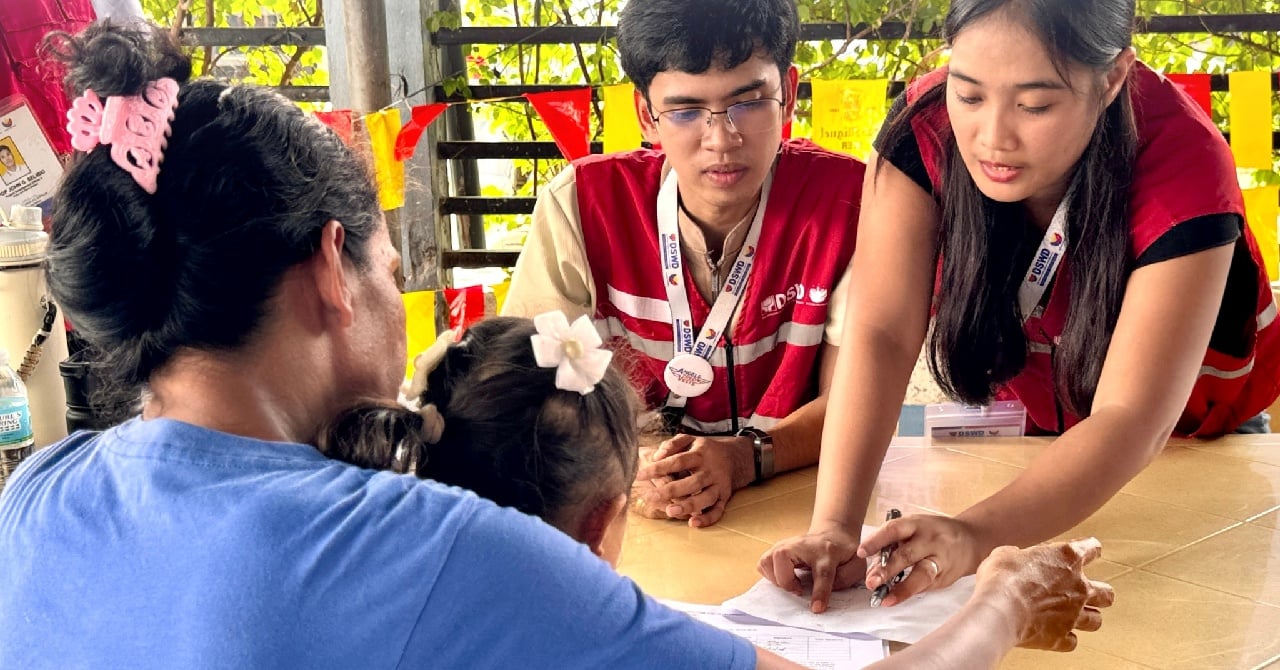
Beyond cash, families receive visits and follow ups. Case workers help assess needs, track progress, and guide parents through available services.
- Referral to services
Project Aruga links families to healthcare, education, livelihood programs, and social insurance. This referral system helps families move from short term relief to longer term support.
- Capacity building
Caregivers, volunteers, and local staff receive training on home based care and early detection. This strengthens community response even after the pilot ends.
Why Project Aruga Matters to Communities
Project Aruga creates impact on several levels at once.
- Immediate relief
The ₱10,000 grant helps ease daily costs tied to disability care. - Better access to services
Active case management reduces the burden on parents to navigate systems alone. - Stronger local skills
Training empowers communities to support children with disabilities early and consistently. - Improved registration and planning
Better data helps children become visible in social protection systems, which matters for future benefits.
Signs the Program May Expand
Project Aruga is gaining attention beyond the pilot cities. The DSWD is already studying options to scale the program nationwide. Lawmakers have also raised discussions on providing recurring allowances and expanding coverage during budget talks.
These conversations suggest growing policy support, especially as more evidence shows that community based care improves outcomes for children with disabilities.
Challenges to Watch Moving Forward
Like any pilot program, Project Aruga faces real limits.
- One time assistance
The current cash grant is not monthly, which raises questions about long term support. - Scaling capacity
Expanding from 400 beneficiaries to national coverage requires more trained workers and monitoring systems. - Referral load
Health and education services must be ready to handle more referrals as coverage grows.
Addressing these issues will be key if Project Aruga becomes a regular national program.
What Families Directly Gain From Project Aruga
For families caring for children with disabilities, the biggest relief often comes from not having to figure everything out on their own.
Parents and caregivers commonly share that the ₱10,000 cash support helps right away. It covers therapy fees, transport to clinics, medicines, or daily care needs that usually come out of pocket. This immediate help eases pressure on household budgets and allows families to focus on care instead of debt.
But families say the real difference comes from guidance and follow through. Home visits and case management help parents understand where to go next. Case workers explain therapy options, school support, and how to complete disability registration. Instead of being sent from one office to another, families get clear steps and someone who checks back on them.
Many caregivers also point out that Project Aruga helps them feel seen. Having a trained worker visit their home and connect them to services reduces isolation. It turns disability care from a private struggle into a shared responsibility.
Frequently Asked Questions
- Who can benefit from Project Aruga?
Children with disabilities and their families selected during the pilot phase in participating cities. - How much cash assistance is given?
Each beneficiary household receives ₱10,000 during the pilot. - Is the program only cash aid?
No. It includes home care, case management, referrals, and caregiver training. - Will Project Aruga be nationwide?
The DSWD is studying expansion, but no final announcement has been made yet. - How is this different from other assistance programs?
Project Aruga focuses on community based care and active follow up, not just one time payouts.
Conclusion
Project Aruga shows a shift in how disability support can work in the Philippines. By combining cash aid with home care, referrals, and community training, it supports both the child and the family. If expanded, it has the potential to reshape how children with disabilities are supported across the country.