
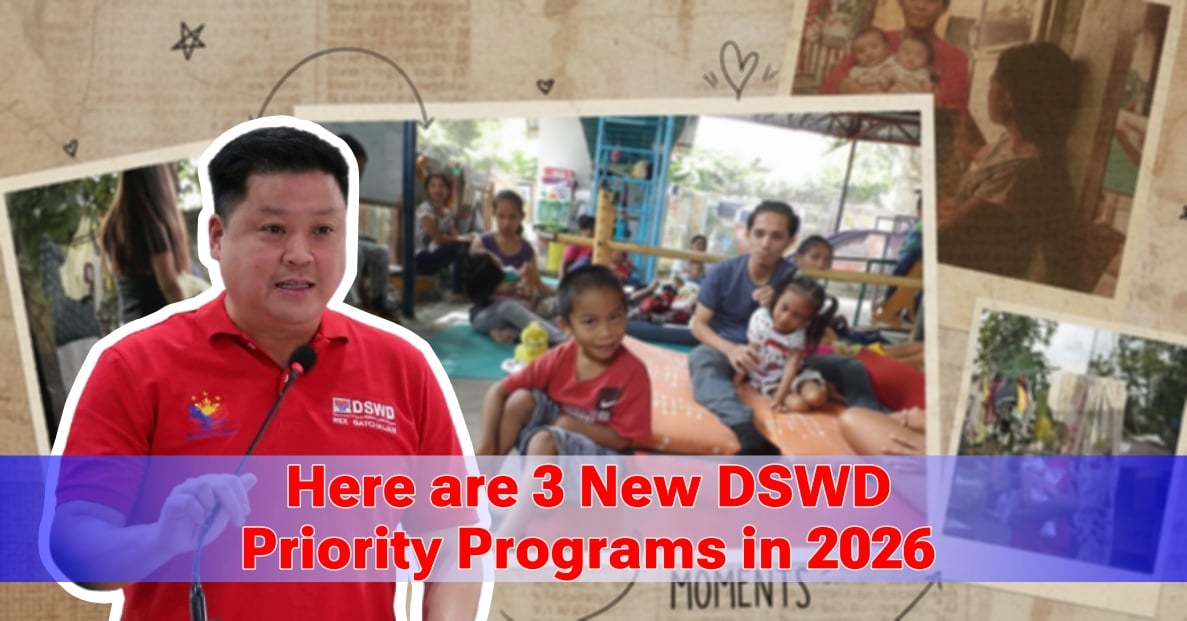
In 2026, the DSWD 2026 initiatives mark a clear shift in how social protection works in the Philippines. Instead of focusing mainly on cash aid, the Department of Social Welfare and Development is expanding programs that protect mental health, family stability, and community safety. These new efforts support groups often left at the margins: adolescent mothers, children with disabilities, and victim survivors of online sexual abuse.
Led by the Department of Social Welfare and Development, the rollout shows a move toward prevention, healing, and long-term recovery. Below is a closer look at the three flagship programs and what they mean for Filipino families.
ProtecTEEN: Support for Adolescent Mothers and Families
ProtecTEEN focuses on adolescent mothers who face early parenthood with limited support. Many teenage mothers drop out of school, struggle with mental health, and experience stigma within their own communities.
What ProtecTEEN provides
- Psychosocial counseling to help young mothers manage stress, fear, and trauma
- Parenting education so they can care for their children with confidence
- Family mediation to rebuild relationships at home
- Education and livelihood linkages to help them return to school or gain skills
- Peer support groups at the community level
This program tackles one of the roots of intergenerational poverty. By supporting both the teen mother and her family, ProtecTEEN helps prevent long term social and economic harm.
Project Aruga: Caring for Children with Disabilities
Project Aruga strengthens support systems for children with disabilities and the families who care for them. Many households face high costs for therapy, devices, and medical care, while services remain uneven across regions.
What Project Aruga covers
- Financial aid for therapy, assistive devices, and medical needs
- Community based rehabilitation services
- Caregiver training and emotional support
- Links to inclusive education programs
- Stronger LGU disability services
This initiative recognizes that disability affects the whole family. By helping caregivers and improving local services, Project Aruga moves communities closer to inclusion and dignity for all children.
Project SAFE: Protecting Children Online
Project SAFE addresses online sexual abuse and exploitation of children, a growing crisis in the digital age. The Philippines has been flagged globally due to poverty driven risks and easy internet access.
What Project SAFE focuses on
- Prevention campaigns and digital safety education
- Protection measures with law enforcement and social workers
- Trauma informed recovery services
- Safe reintegration for survivors
- Community reporting and vigilance systems
This program treats online abuse as both a crime and a social issue. Healing, safety, and prevention work together to stop re victimization.
Why These Programs Take Priority in 2026
In 2026, these programs move to the front because the risks they address are growing faster than existing systems can respond. Data from health, education, and child protection agencies show clear pressure points that can no longer wait.
Adolescent pregnancy rates remain among the highest in Southeast Asia, with many teen mothers leaving school permanently and entering early poverty cycles. At the same time, more families are caring for children with disabilities without enough access to therapy, trained caregivers, or inclusive schools, especially outside urban areas. These gaps place long term strain on households and local services.
Online sexual abuse and exploitation of children has also escalated sharply as younger children gain internet access. Cases linked to poverty, digital platforms, and organized abuse networks demand urgent prevention, protection, and recovery efforts, not just law enforcement action.
For the Department of Social Welfare and Development, prioritizing these areas in 2026 reflects a data driven decision. Early intervention now reduces deeper social costs later. These programs focus on risks that, if left unaddressed, create lifelong harm for children, families, and communities.
What the DSWD 2026 Initiatives Really Signal
Taken together, these DSWD 2026 initiatives show four major shifts in social protection.
First, the focus moves from reacting to crises toward preventing them.
Second, support now goes beyond cash aid to include mental health and family care.
Third, solutions involve families and communities, not just individuals.
Fourth, modern risks like digital abuse and caregiver burnout are now part of welfare planning.
This approach reflects how vulnerability truly works in real life.
Frequently Asked Questions
- Who can access these programs?
Adolescent mothers, children with disabilities, and OSAEC victim survivors identified by DSWD or LGUs may qualify. - Are these programs cash based?
Some include financial aid, but most focus on services, counseling, and community support. - Will LGUs be involved?
Yes. Local governments play a key role in identification, referral, and delivery. - When will implementation start?
Rollout is expected in phases throughout 2026, depending on area readiness.
Video: DSWD, nais pang palawakin ang mga programa sa 2026 para makatulong sa mas maraming Pilipino
The story follows the DSWD as it sets its sights on expanding its programs in 2026 to reach more Filipino families in need.
It traces how the agency moves with purpose, widening its support systems so communities can feel the impact where it matters most.
It highlights the department’s steady push to strengthen assistance, allowing more households to access help during challenging times.
It shows how the DSWD continues to build on its efforts, shaping a broader path for social protection in the coming year.
It captures a forward-looking moment where the agency prepares to uplift more lives through expanded services and renewed commitment.
Conclusion
The DSWD 2026 initiatives show a more thoughtful form of public service. By focusing on prevention, healing, and community care, these programs protect not just individuals but entire families. As they roll out nationwide, they offer a stronger safety net built on dignity and long term support.